mid 17th century (in the sense ‘group of related elements’): from Latin complexus, past participle (used as a noun) of complectere ‘embrace, comprise’, later associated with complexus ‘plaited’; the adjective is partly via French complexe
17世紀中頃(「関連する要素の集まり」の意味で)。ラテン語 complexus から。complectere「抱きかかえる、包含する」の過去分詞を名詞化したもので、のちに complexus「編まれた」と結び付けられた。形容詞は一部フランス語 complexe を経ている。
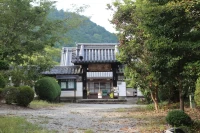
The complex of buildings was a sight to behold. 名
建物の複合体は見事な光景でした。
The company decided to build a new office complex to accommodate the rapidly growing workforce. TOEIC 名
同社は、急増する従業員に対応するため、新しいオフィスコンプレックスを建設することを決定しました。
The complex mathematical equation puzzled the students. TOEFL 形
複雑な数式に、学生たちは戸惑った。
The complex idea made him pause and think hard. 形
その複雑な考えが彼を一度止まらせ、深く考えさせた。
The complex puzzle confused the students who tried to solve it. 形
その複雑なパズルは、それを解こうとした生徒たちを混乱させた。
He developed a complex about his height after being teased. 名
からかわれてから、彼は身長についてコンプレックスを抱くようになった。

 Aiko先生